

Finance Australia :: News
SHARE

Share this news item!

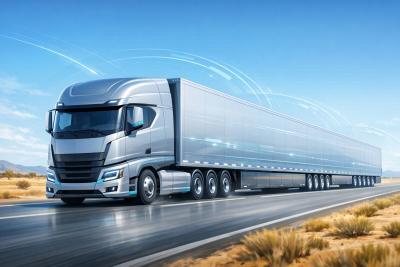
SA Government Implements Heavy Vehicle Reforms to Combat Fuel Crisis

Allowing Heavier and Longer Trucks to Enhance Efficiency and Reduce Costs

SA Government Implements Heavy Vehicle Reforms to Combat Fuel Crisis?w=400

The information on this website is general in nature and does not take into account your objectives, financial situation, or needs. Consider seeking personal advice from a licensed adviser before acting on any information.

In response to escalating fuel costs and mounting pressures on the transport sector, the South Australian government has expedited reforms to heavy vehicle regulations.
These changes aim to permit the operation of heavier and longer trucks on the state's roads, a move welcomed by industry bodies seeking relief from the ongoing fuel crisis.

The reforms are designed to reduce the number of trips required for freight transport, thereby decreasing overall fuel consumption. The government estimates that these changes could lead to fuel savings of up to 18% for transport operators.

Trucking industry groups have expressed support for the reforms, highlighting the potential benefits in terms of operational efficiency and cost reduction. By aligning South Australia's regulations with those of other states and territories, the reforms also aim to create a more cohesive and efficient national transport network.

However, some operators have raised concerns about the immediate impact of the changes. For businesses without existing compatible equipment, the need to invest in new trailers or modify existing ones could pose financial challenges. Additionally, there are considerations regarding the potential wear and tear on road infrastructure due to the increased weight and size of vehicles.

Despite these challenges, the reforms represent a proactive approach by the South Australian government to address the fuel crisis and support the transport industry. By enabling more efficient freight movements, the changes aim to alleviate some of the financial pressures faced by operators and contribute to the overall resilience of the sector.

For transport businesses, adapting to these new regulations may require strategic planning and investment. However, the potential benefits in terms of fuel savings and operational efficiency make it a worthwhile consideration in the current economic climate.

Published:Thursday, 21st May 2026
Author: Paige Estritori

Please Note: We do not endorse any specific products or companies. Some content is sourced from third parties, including press releases, and may not be independently verified for accuracy or completeness.

Share this news item:

Rate this article

0 Comments

No comments yet. Be the first to share your thoughts.

Finance News

Volvo's New Electric Trucks Set to Revolutionise Australian Transport
21 May 2026: Paige Estritori
Volvo Trucks has announced the launch of its next-generation heavy-duty electric trucks, marking a significant advancement in the electrification of Australia's transport sector. The new models-Volvo FH, FM, and FMX Electric-boast an impressive range of up to 400 kilometres, catering to a diverse array of transport applications. - read more
Cummins Unveils Advanced Integrated Powertrain at TruckShowX
21 May 2026: Paige Estritori
At the recent TruckShowX event, Cummins showcased its fully integrated powertrain system, marking a significant advancement in heavy-duty transport technology. This system combines the engine, transmission, and axles into a single, calibrated unit, optimising overall performance and fuel efficiency for Australian fleets. - read more
SA Government Implements Heavy Vehicle Reforms to Combat Fuel Crisis
21 May 2026: Paige Estritori
In response to escalating fuel costs and mounting pressures on the transport sector, the South Australian government has expedited reforms to heavy vehicle regulations. These changes aim to permit the operation of heavier and longer trucks on the state's roads, a move welcomed by industry bodies seeking relief from the ongoing fuel crisis. - read more


Finance Articles

How Your Credit Rating Impacts Your Loan Options: What You Need to Know
A credit rating is essentially a numerical representation of your financial trustworthiness. It's like a report card for your creditworthiness, where higher scores indicate better financial habits. Lenders and financial institutions scrutinize this score when you apply for credit, serving as a primary factor in approving or denying loan applications. - read more
Debt Consolidation: How to Streamline Your Finances with a Personal Loan
Debt consolidation is a strategy often utilized by individuals seeking to take control of their financial health. At its core, debt consolidation involves combining multiple debts into a single, more manageable loan, typically with more favorable terms such as a lower interest rate or a longer repayment period. - read more
The Great Debate: Pros and Cons of Refinancing Your Home Loan
In recent years, refinancing has emerged as a popular financial strategy for many Australian homeowners. With the housing market's dynamic nature and fluctuating interest rates, more people are considering the benefits of refinancing their home loans. This trend is not surprising, as refinancing can potentially reduce monthly payments, secure lower interest rates, and assist with debt consolidation. - read more


Free Loan Eligibility Assessment

Loan Amount:
Postcode:

All quotes are provided free and without obligation by a specialist from our national broker referral panel. See our privacy statement for more details.


Knowledgebase
Bond:
A fixed-income investment in which an investor loans money to an entity that borrows the funds for a defined period at a variable or fixed interest rate.