The information on this website is general in nature and does not take into account your objectives, financial situation, or needs. Consider seeking personal advice from a licensed adviser before acting on any information.
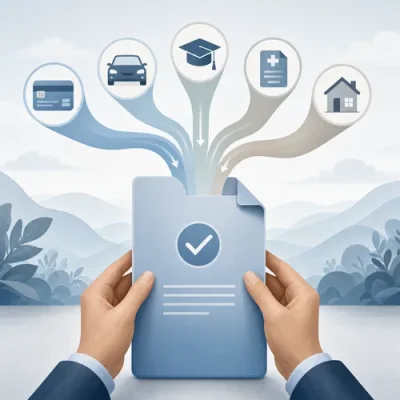
A debt consolidation loan combines several debts into a single loan that you will repay over a set period of time. You can consolidate personal loans, credit cards, medical bills, and other debts into a single loan. Debt consolidation loans can be a good option if you are having trouble keeping up with monthly payments.
You may have found yourself in a position where, through no fault of your own, you have fallen behind on some of your bills.
Although you have done all that you can to stay on top of them, the bills still keep piling up.
Perhaps you've become unemployed or suffered a loss of income due to external economic circumstances ... or maybe you've had to contend with unexpected medical bills.
Whether the situation that you are now in was of your own making or not, the immediate question is ...
"How can I get out of this mess?"
Well, in the majority of cases, a debt consolidation loan will resolve most, if not all of the problem.
Debt Consolidation Loans
A debt consolidation loan does not need to be complicated. It's simply a new loan that you take out to payout your other loans and any outstanding debts.
A well-structured debt consolidation loan should achieve 3 key outcomes:
- Immediate debt relief
- Suddenly you are up-to date with everything.
All your bills are paid.
- No more overdue notices, debt collection agencies or threats of reposession.
- Lower weekly or monthly repayments
- Because you have consolidated your loans and high interest debt, credit cards, etc into one lower-interest loan, it is quite likely that you are now enjoying considerably lower monthly repayments.
- That means more money stays in your pocket, reducing the chance that you will find yourself in a similar position in the future.
- Easier to Manage
- Now you are making only one monthly repayment instead of multiple payments, your bills - and your budget, become much easier to manage going forward.
- Perhaps you can now think about starting a savings account. Even a small amount set aside regularly can accumulate into a very useful nest egg.
Will A Debt Consolidation Loan Hurt My Credit Rating?
Taking out a debt consolidation loan will not, in itself, have a negative impact on your credit rating.
However, in most cases, the process of applying for a debt consolidation loan will result in an enquiry being run on your credit file. This is the case when applying for any type of finance and will lower your credit score by just a few points. Too many enquires will start to limit your options - because it may appear that you are desperate.
The take-away from this is the importance of talking to a specialist to put the whole thing together for you ... finding the right lender before any credit enquires are made against your file.
The impact of a single enquiry on your credit file should be far outweighed by the elimination of otherwise problem debts and your ability to stay on top of the new loan.
After all, if you are now in a position where you need a debt consolidation loan to reduce your interest rates, avoid late payment fees and generally balance your budget, a couple of points drop in your credit score is the least of your problems.
So using a specialist to help set up your debt consolidation loan will only serve to help preserve your credit score.
A good debt consolidation specialist should also provide you with a free debt management plan and negotiate with creditors on your behalf if your situation calls for it.
Is a Debt Consolidation Loan My Best Option?
There are potential pitfalls to using a loan to consolidate other loans.
For example, if you use a loan to reduce existing credit card debt and you don’t address the behaviors that caused you to get into debt, you could easily fall back into the same habits and end up with even more debt in the future.
Don't forget, reducing your total debt position is the primary objective. So only use a debt consolidation loan if it truly can help you accomplish that goal.
If you simply use it as a means of obtaining more available credit, you run the risk of turning that credit into additional debt, making your situation even more precarious. A debt consolidation loan is supposed to make life easier, not harder.
Debt consolidation loans have the potential to get your bills in check and provide you with some room to breathe.
A loan which can reduce your monthly installments and even lower your interest rate may be the fix that you have been trying to find.
But, before you rush in, be sure to talk to one of our debt consolidation loan experts for a free assessment of your financial situation... and a plan to get you out if it.
Published: Tuesday, 3rd Aug 2021
Author: 332





No comments yet. Be the first to share your thoughts.